
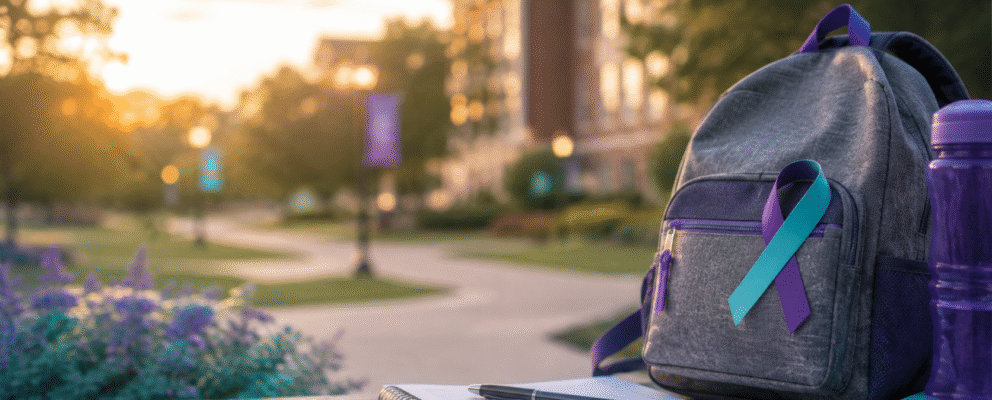
A campus can be crowded from morning to night. Classes are full, group chats keep moving, and someone always seems to be rushing toward the next deadline. Still, a student can be surrounded by people and feel completely alone.
That is the real issue behind this year’s World Suicide Prevention Day.
The conversation around student mental health is improving, but the need has not disappeared.
Behind those numbers are people whose struggles may not look like a crisis.
Sometimes the first noticeable change is a friend who is awake night after night and barely functioning by morning. One difficult week or several late nights do not automatically mean that someone is in danger.
Suicide is rarely connected to one circumstance, and no single behavior tells the whole story. Still, changes in sleep, growing isolation, anxiety, and hopelessness can be signs that someone needs care and a real conversation.
That is why prevention cannot begin only when a crisis becomes visible.
It can begin when we ask the second time around after someone says, “I’m fine.”
It can begin when a professor checks in without making assumptions, when a roommate stays long enough to listen, or when a friend helps someone find support instead of trying to solve everything alone.
Connection does not replace professional care, but it can help someone feel less alone while they take the next step.
Support from friends and family, feeling connected to others, and belonging within a school or community are all recognized protective factors.

Sometimes the words that matter most are not perfect or complicated. They are simply:
“I noticed you haven’t seemed like yourself lately. I’m here, and we can find support together.”
If you or someone you know may be in immediate danger, contact emergency services or your campus crisis team.
National Suicide and Crisis Lifeline – 988
National Suicide and Crisis Lifeline (options for deaf and hard of hearing)
opens in new window
For TTY Users: Use your preferred relay service or dial 711 then 988